
Cartagena
One of the last walled cities in the Americas.
Built to hold an empire's gold. From the water, it still stands unconquered.
Cartagena was built to be extraordinary
and unlike most places that made that claim, it still is.
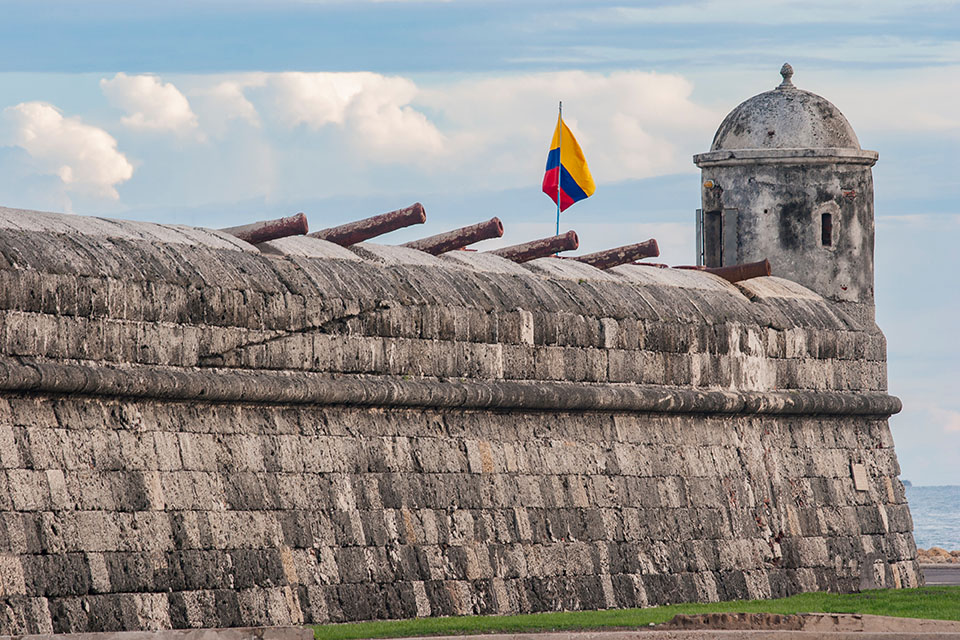
Founded in 1533 and fortified against every empire that wanted what it held, Cartagena became the most important port in the Americas. The gold of an entire continent passed through this bay on its way to Spain. The fortresses built to protect it are still standing. The bay is still the same bay. And the light — that specific Caribbean light that turns everything gold between five and six in the evening — is still reliably, unfailingly there.
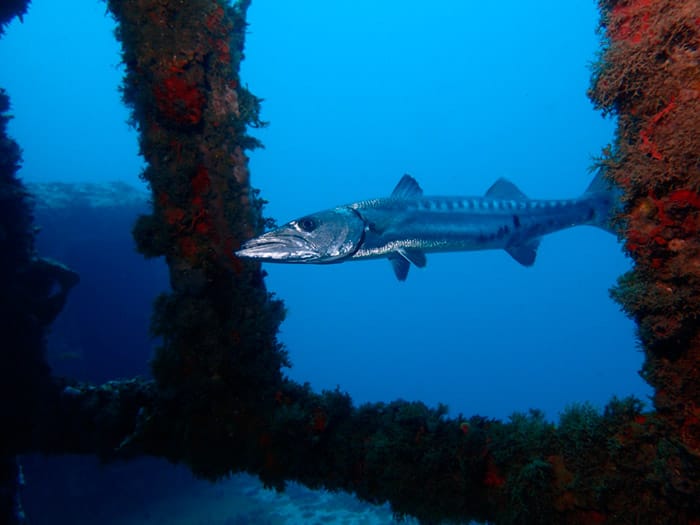
What makes Cartagena different from every other Caribbean destination is what you can’t find on a tour. Afro-Caribbean culture rooted in San Basilio de Palenque, the first free town in the Americas. Colonial architecture that hasn’t been smoothed out for tourism. Shipwrecks and a living coral reef twenty minutes from the old city. A bay that has been the stage for five centuries of history — and is still, today, the most beautiful place to be at sunset.
Las Murallas
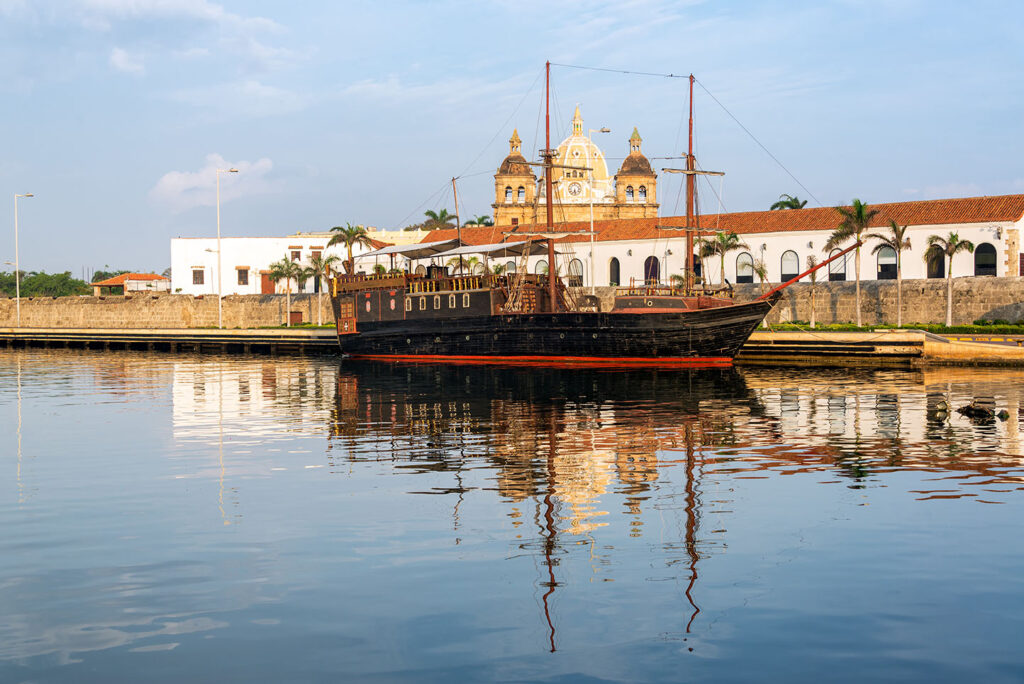
Bahía de las Ánimas
Underwater
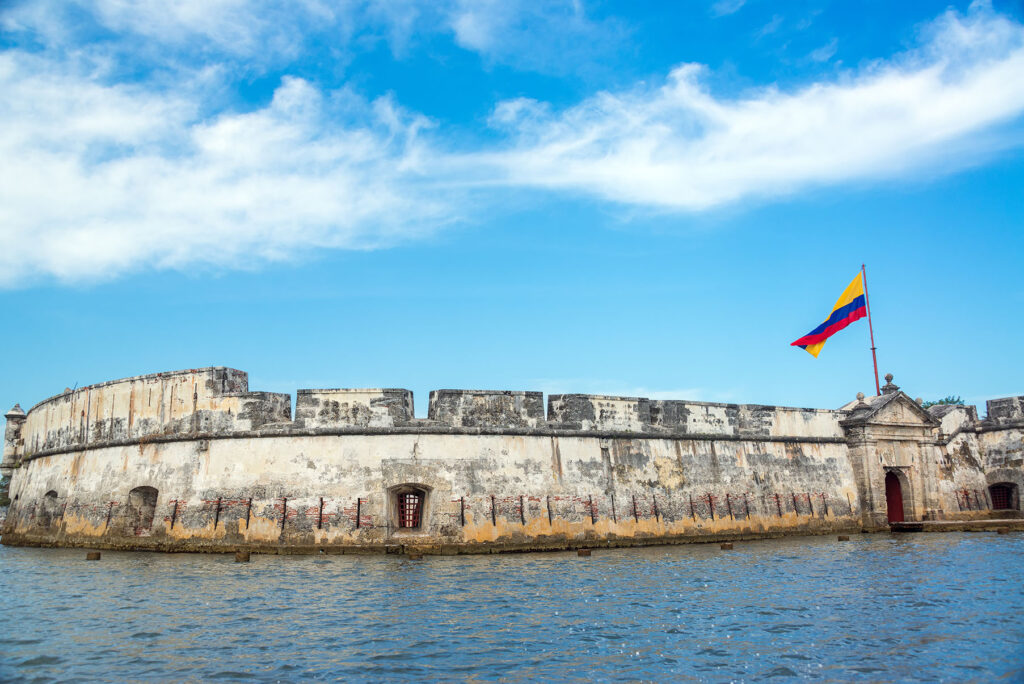
Bocachica, Tierra Bomba
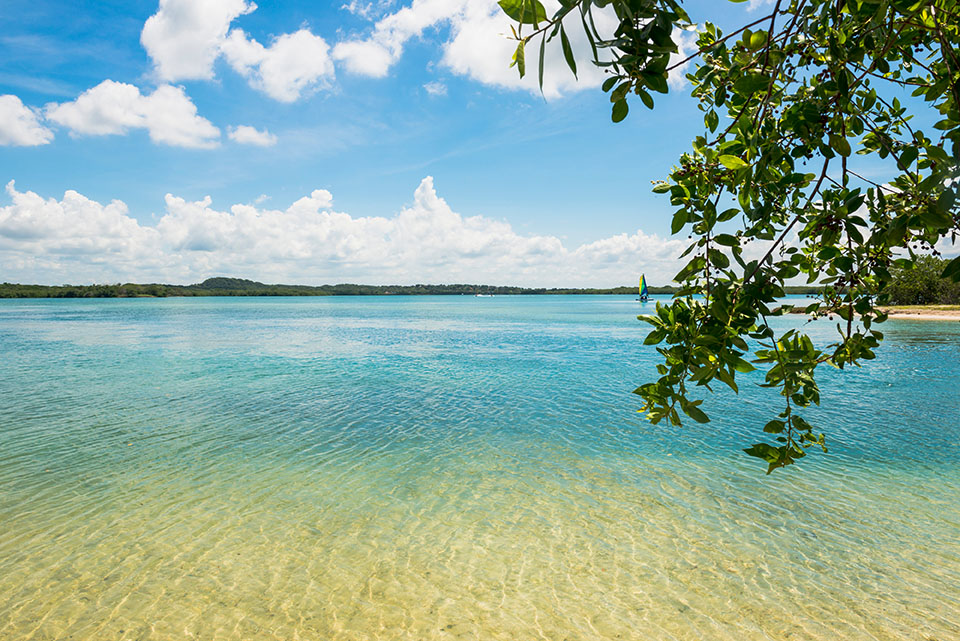
Far enough from the city that the only sound is the sea. The catamaran anchors in calm, turquoise water off Tierra Bomba — private, unhurried, unreachable by the crowds. This is where stillness becomes an experience.
Islas del Rosario
When to come
Cartagena operates year-round. The dry season runs December through April — clearest water, calmest seas, best visibility for diving and snorkeling. High season peaks December 15 to January 15 and Semana Santa. The shoulder months — May, June, October, November — offer the same quality at lower demand. The city is always warm. The bay is always there. The light is always that light.